


What to eat in Erzurum: cağ kebabı, kadayıf dolması, su böreği, ayran aşı, kesme aşı, local cheeses and sweets, with what each dish is and how it is eaten.
Erzurum's cooking has been shaped by long, harsh winters, animals raised on high summer pastures and generous amounts of butter. That richness is on the official record too: the Provincial Directorate of Culture and Tourism lists 62 geographically indicated products from Erzurum, most of them dishes, soups, pastries and desserts.
This guide explains what each dish is and how it is eaten, using the geographical indication registration documents of the Turkish Patent and Trademark Office and publications of the provincial directorate. We do not recommend restaurants; simply look for these names on the menu.
Cağ kebabı
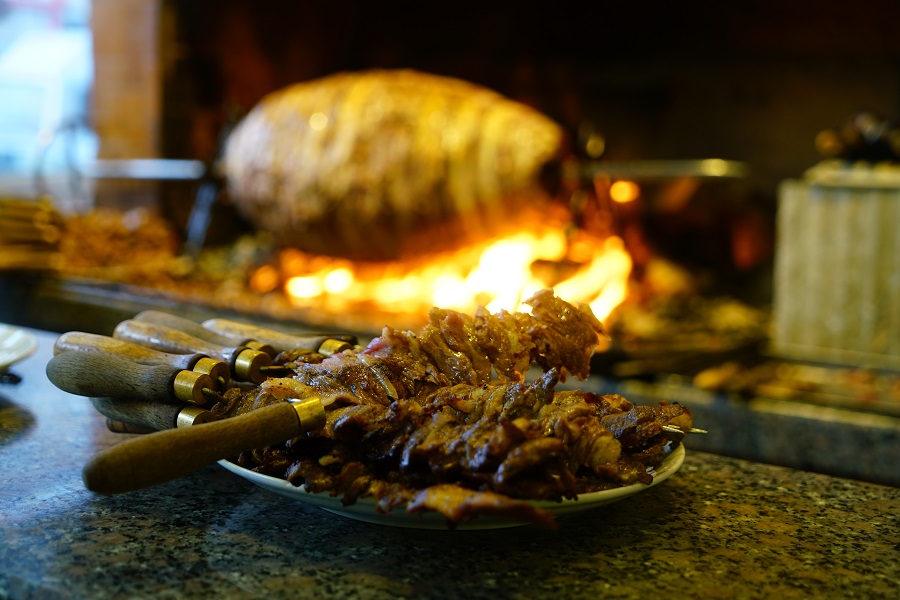
This is the dish most people associate with Erzurum. It is registered as a geographical indication under the name Oltu Cağ Kebabı (no. 127), on behalf of the Oltu Chamber of Commerce and Industry. According to the provincial directorate, it is better known as "yatık döner" (horizontal döner) in the districts of Oltu, Olur, Tortum, Uzundere and Şenkaya.
The registration document says the kebab is made from the meat of sheep at least one year old, raised naturally on mountain pastures. The meat is salted and rested for a day, then kneaded with a paste of very finely chopped onion and black pepper and threaded onto a spit. The spit is cooked horizontally in a stone or brick hearth fired with fruit or oak wood and turned as it cooks.
How to eat it: the cooked outer layer is sliced thinly with a kebab knife and threaded onto a small skewer called a "cağ"; one cağ is about 80 grams. It can also be served off the skewer on a plate. Sliced raw onion and, in season, tomato come on the side.
Soups: ayran aşı and kesme aşı
Registration documents stress the important place soups hold in Erzurum's food culture. According to its registration document, Erzurum Ayran Aşı Çorbası is made with small meatballs, whole wheat, aşotu and yoghurt. Aşotu is the local name for coriander leaves, itself a registered designation of origin. A yoghurt-and-flour mixture is cooked with boiled wheat, then onions fried in butter and small fried meatballs are added, with the aşotu stirred in at the end. Ayran aşı is served hot.
Erzurum Kesme Aşı Çorbası is made with "kesme" (hand-cut egg noodles), green lentils and tarragon, with optional small fried meatballs, and is flavoured with onion fried in butter, tomato paste and red pepper flakes. For something simpler, herle aşı is a registered Erzurum soup of flour toasted in butter, water and salt.
Pastries: su böreği, hıngel and kete
According to its registration document, Erzurum Su Böreği is made by layering boiled sheets of pastry with a filling of Erzurum Civil Peyniri (civil cheese) and parsley. The dough is kneaded with plenty of eggs and no water; although it uses twelve sheets, the finished börek is only 2–3 centimetres thick. It is not baked in an oven but cooked on the hob over a low flame, turned and flipped so both sides crisp. Civil is a low-fat cheese, which keeps the börek from turning bitter when reheated. Su böreği is served hot or cold.
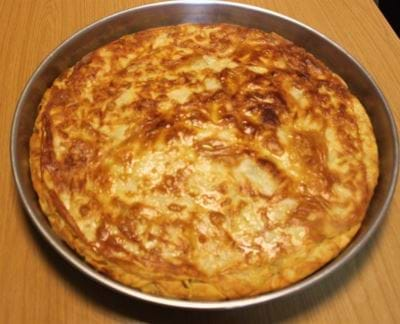
Hıngel is also registered as Erzurum Mantısı (Erzurum dumplings): minced-meat filling is wrapped in squares of dough, folded into triangles, boiled and served with garlic yoghurt and sizzling butter. Tatar böreği pairs boiled triangles of dough with garlic yoghurt, hot butter and a minced-meat and tomato-paste sauce. Erzurum ketesi is a registered baked pastry brushed with butter and filled with toasted flour.
Stuffed leaves and stews
Lor dolması is chard or evelik (wild sorrel) leaves rolled around bulgur pilaf made with lor (curd cheese) and kaymak (clotted cream), served with garlic yoghurt and hot butter. Erzurum Ekşili Dolma, another registered dish, wraps a minced-meat and rice filling in vine leaves and gets its sourness from dried plums or cornelian-cherry fruit leather; it is eaten with garlic yoghurt.
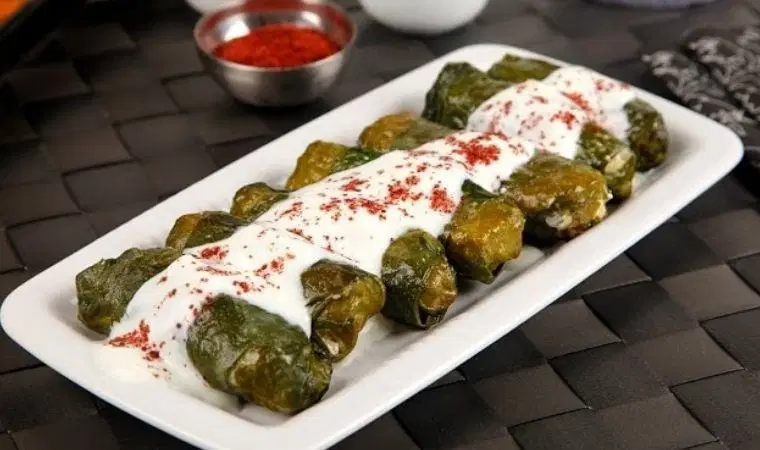
Erzurum Aşmalı Yahni is a sweet-and-sour stew of meat cooked with onions and softened dried apricots (aşma), traditionally served in a copper dish. Pasinler Yaprak Döner, from the Pasinler district, is made by stacking thin, leaf-like slices of marinated beef leg and rib on a spit and roasting them slowly on a vertical rotisserie.
Erzurum desserts
Kadayıf dolması is Erzurum's best-known dessert, registered as geographical indication no. 161 on behalf of the Erzurum Commodity Exchange. According to the registration document, a palm-sized portion of shredded kadayıf pastry is wrapped around crushed walnuts, dipped in egg, fried in hot oil until golden and then dropped into cold syrup until it has soaked it all up. When cut, the strands of pastry should still be visible and the inside should not be doughy.
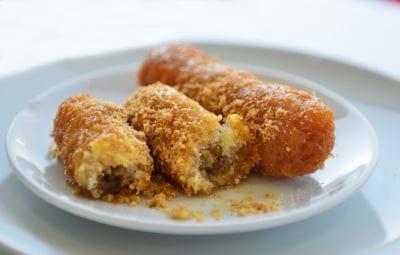
Other registered sweets are worth trying too:
- Tel helvası: sugar syrup with lemon is worked into toasted flour and pulled into fine threads; it is traditionally made in winter, using snow to cool it.
- Hasuta: a glossy, thick pudding made by pouring starch and sugar mixed with water into melted butter; it is eaten with lavaş flatbread.
- Kaz lokması: a runny batter of egg, yoghurt and flour, fried, soaked in syrup and dusted with cinnamon.
- Demir tatlısı: batter shaped on an iron mould, fried, soaked in syrup and topped with crushed walnuts.
- Dut çullaması: a winter dessert of dried mulberries softened in water, cooked in butter and topped with eggs.
Cheese, butter and tea
Erzurum Civil Peyniri and Erzurum Küflü Civil Peyniri ("mouldy civil", also known as göğermiş peynir) are Erzurum's registered cheeses. According to GoTürkiye, Erzurum butter is made from the cream of milk from cows grazing on high-altitude pastures, and İspir Kaymağı (İspir clotted cream) is a registered designation of origin.
Tea is part of every Erzurum table. Erzurum Kıtlama Şekeri is a hard, compact white sugar made from sugar beet; you hold a piece in your mouth and let it dissolve slowly as you sip. Kıtlama tea is often called the city's favourite drink.
To explore these flavours with their stories, follow the Flavor Route.
Frequently Asked Questions
What is Erzurum's most famous dish?
Erzurum's best-known dish is cağ kebabı. It is registered as the geographical indication Oltu Cağ Kebabı (no. 127): seasoned mutton is cooked on a horizontal spit over a wood fire and served on small skewers called "cağ".
How is cağ kebabı eaten?
The cooked meat is sliced thinly and threaded onto a small skewer called a "cağ", which is how it is served; one cağ weighs about 80 grams. It can also be served on a plate without the skewer, with sliced onion and, in season, tomato on the side.
What is kadayıf dolması?
Kadayıf dolması is an Erzurum dessert of palm-sized rolls of shredded kadayıf pastry filled with crushed walnuts, dipped in egg, fried and soaked in cold syrup. It is a registered geographical indication held by the Erzurum Commodity Exchange.
What is the difference between ayran aşı and kesme aşı?
Ayran aşı is a yoghurt soup made with small meatballs, whole wheat and aşotu (coriander leaves). Kesme aşı is made with hand-cut noodles, green lentils and tarragon; both soups are registered geographical indications.
What makes Erzurum su böreği different?
Erzurum su böreği layers boiled pastry sheets with Erzurum civil cheese and parsley, and is cooked on the hob rather than in the oven. The dough is kneaded with plenty of eggs and no water.
How many geographically indicated products does Erzurum have?
The Erzurum Provincial Directorate of Culture and Tourism lists 62 geographically indicated products from the province. Most are dishes, soups, pastries and desserts, and the list also includes crafts such as Oltu jet stone and ehram weaving.
Opening days, seasons and transport can change. Please check official announcements before you travel.
More guides
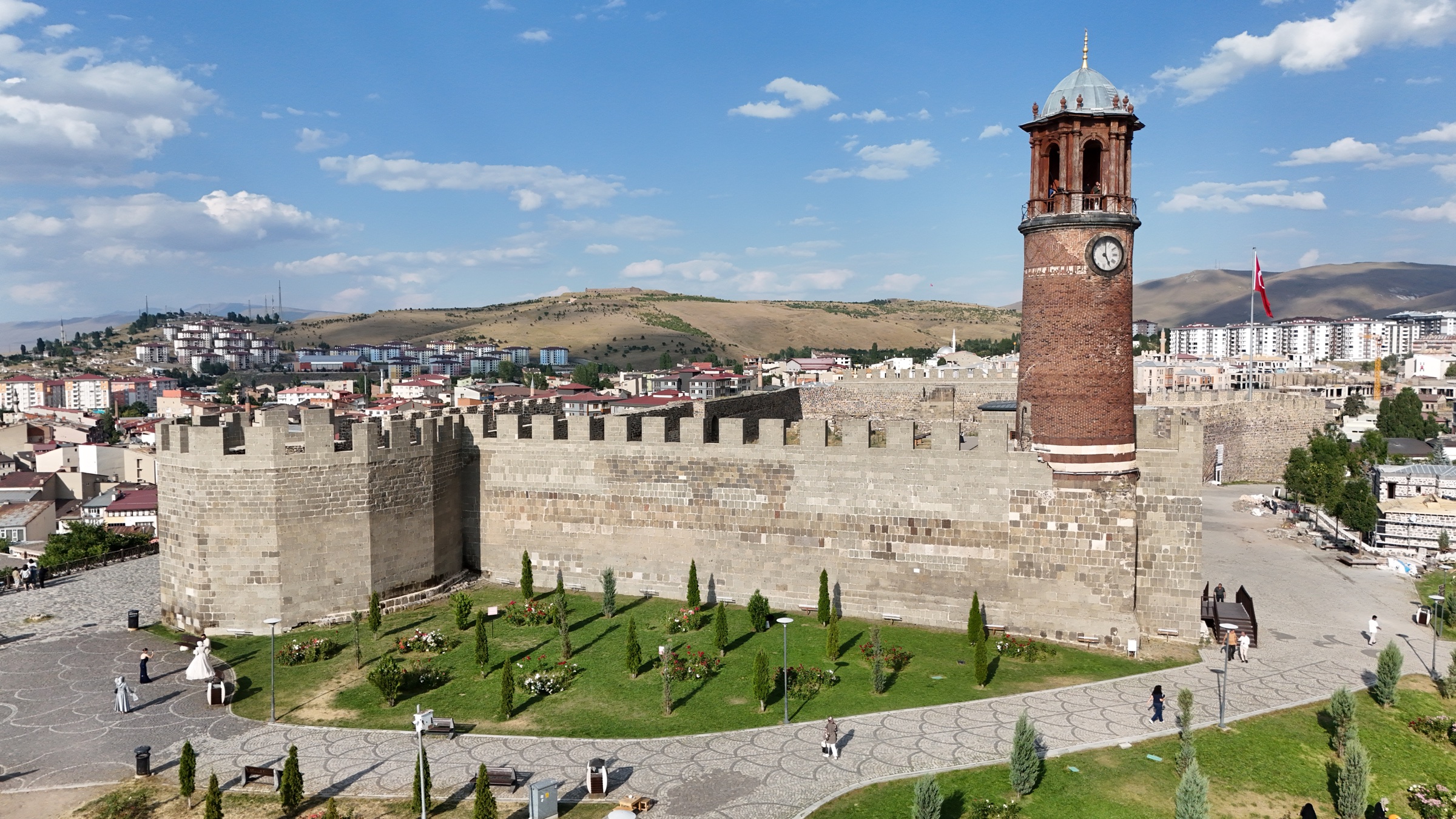 One Day in ErzurumOnly one day in Erzurum? A walkable route through the historic centre, from the castle and Clock Tower to the Double Minaret Madrasa and Yakutiye, with local food stops.
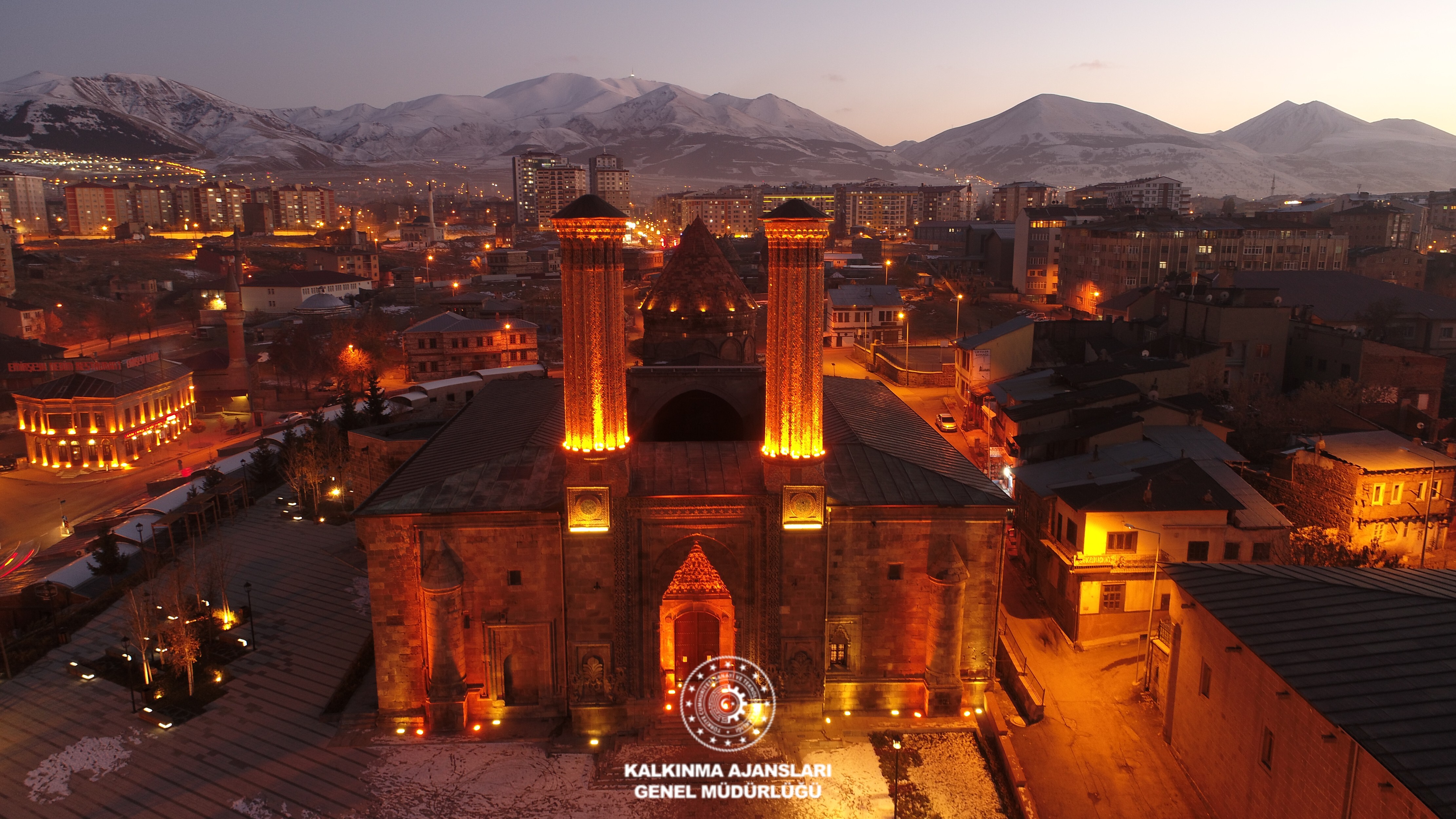 Erzurum in 2–3 DaysA season-by-season plan for 2–3 days in Erzurum: the historic centre, then Tortum Waterfall and Lake Tortum or the Narman fairy chimneys, then the redoubts or Palandöken.
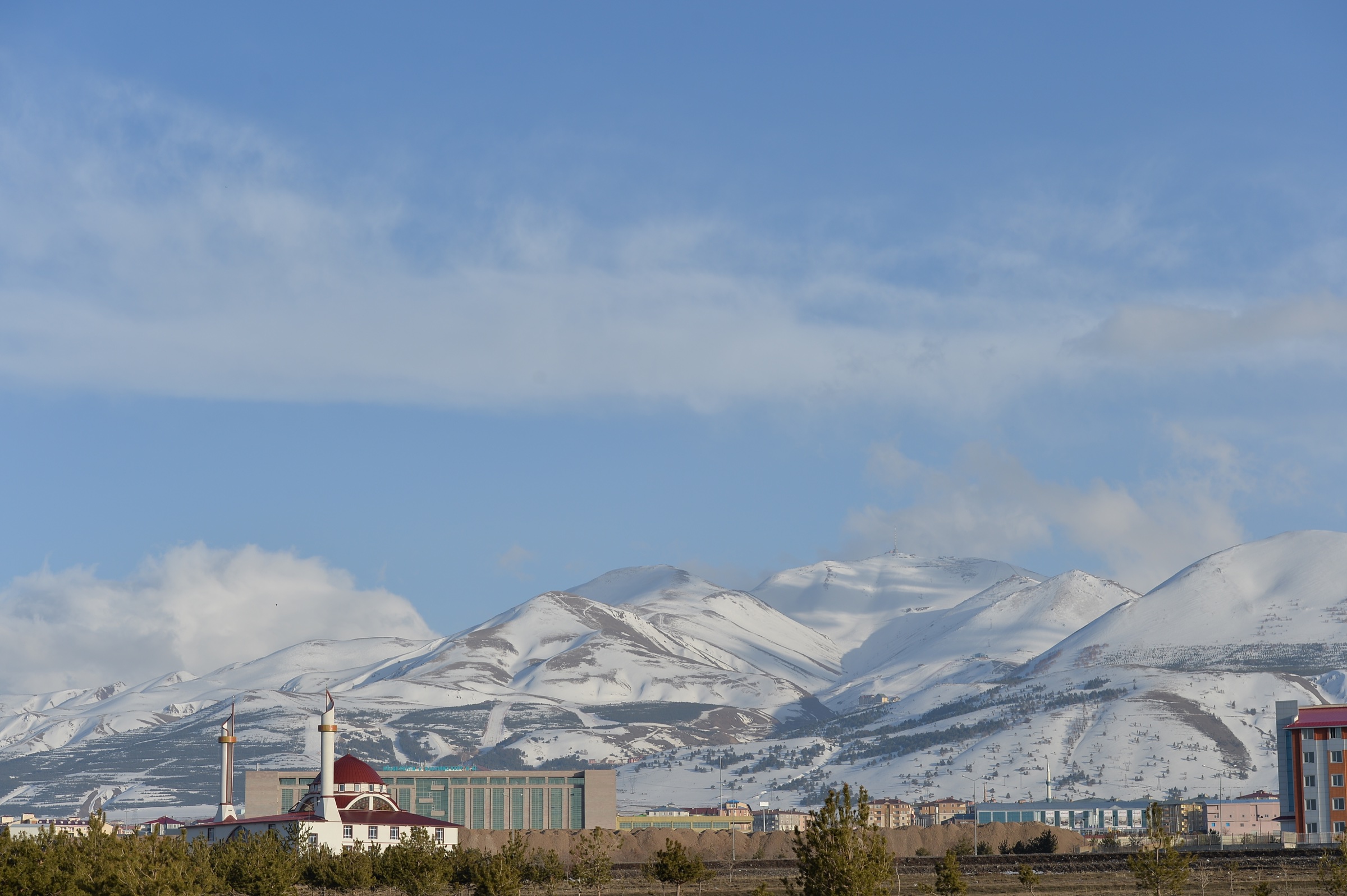 Erzurum in WinterErzurum in winter: the Palandöken, Konaklı and Kandilli ski areas, the ski jumps, the snowy old city, what to wear in the cold, getting around in snow and when the season runs.