



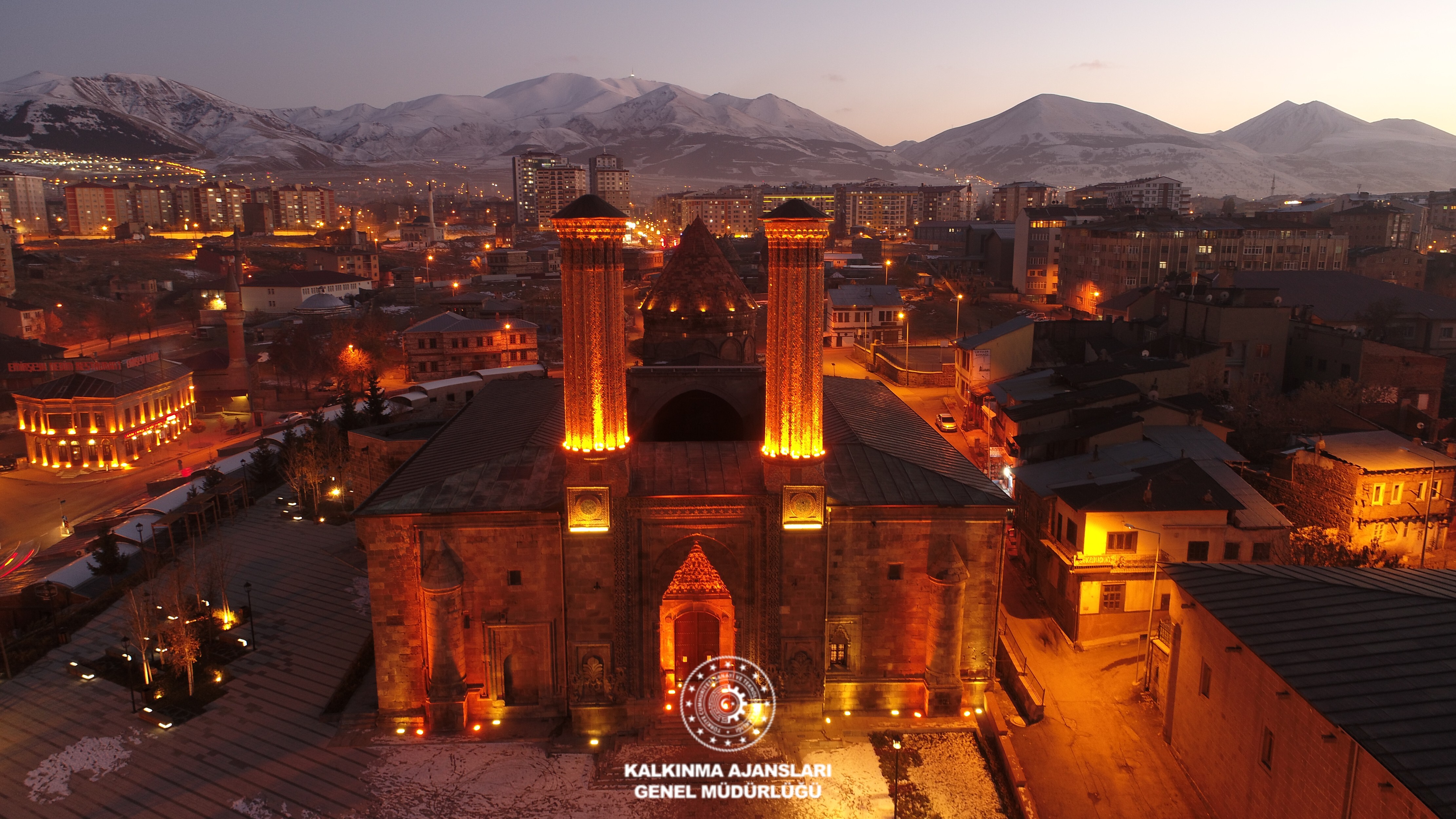
A season-by-season plan for 2–3 days in Erzurum: the historic centre, then Tortum Waterfall and Lake Tortum or the Narman fairy chimneys, then the redoubts or Palandöken.
With two or three days in Erzurum you can see three different sides of the province: the historic centre with its Seljuk and Ottoman monuments, the lake and waterfall of the Tortum valley to the north or the red fairy chimneys of Narman to the east, and finally the redoubts and mountain slopes of Palandöken that ring the city. This guide suggests each day with seasonal alternatives.
You will need a car for the out-of-town stops. Distances below come from the official Erzurum guide published by the Provincial Directorate of Culture and Tourism; driving times depend on weather and road conditions, so check current road status before setting out, especially in winter.
Day 1: The historic centre
Spend the first day on foot in the old city. Start at Erzurum Castle and its Clock Tower, walk south to Ulu Cami (the Great Mosque) and Çifte Minareli Medrese (the Double Minaret Madrasa), then visit Üç Kümbetler (the Three Tombs) behind the madrasa and Erzurum Museum in the same garden. In the afternoon, head west along Cumhuriyet Caddesi to the Yakutiye Madrasa of 1310, the Lala Paşa Mosque of 1562 and Taşhan, the old caravanserai known for its Oltu jet-stone shops. Our One Day in Erzurum guide gives the full order and meal stops.
For dinner, ayran aşı soup, cağ kebabı and kadayıf dolması for dessert make a good introduction to Erzurum cooking. The Flavor Route tells the story of these dishes in one place.
Day 2: Lake Tortum and Tortum Waterfall (late spring to autumn)
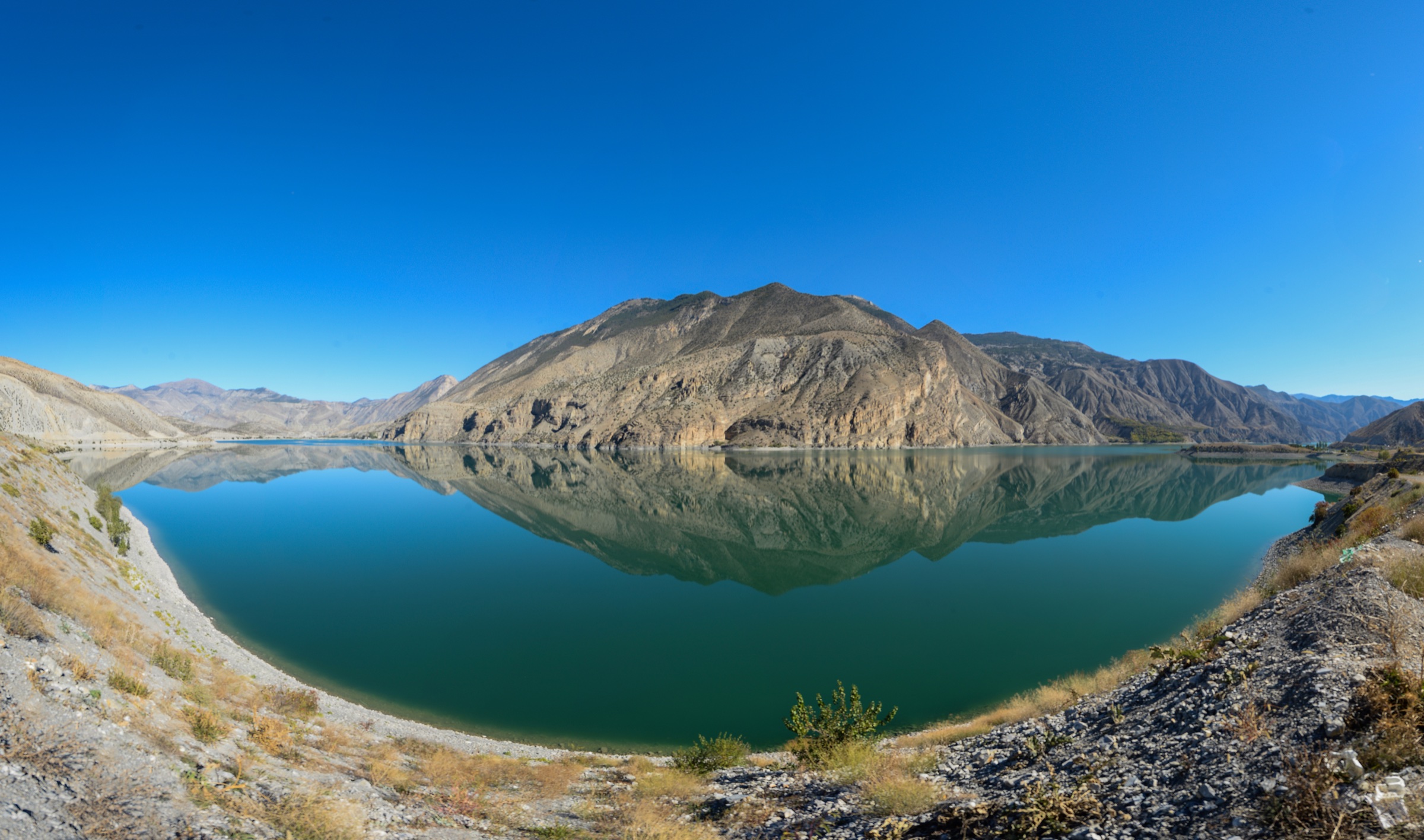
On day two, drive north on the Erzurum–Artvin road to Uzundere. Tortum Gölü (Lake Tortum) lies about 105 kilometres from the city centre and about 7 kilometres from Uzundere. It is a landslide-dammed lake, formed in the 1700s when a huge landslide on the mountain west of Balıklı village blocked what is now the Tortum river; it is roughly 10 kilometres long. Along the Erzurum–Artvin road on its western shore there are viewpoints and a long glass viewing terrace. The provincial directorate notes that boat tours run on the lake and that four species of vulture can be seen along its shores.
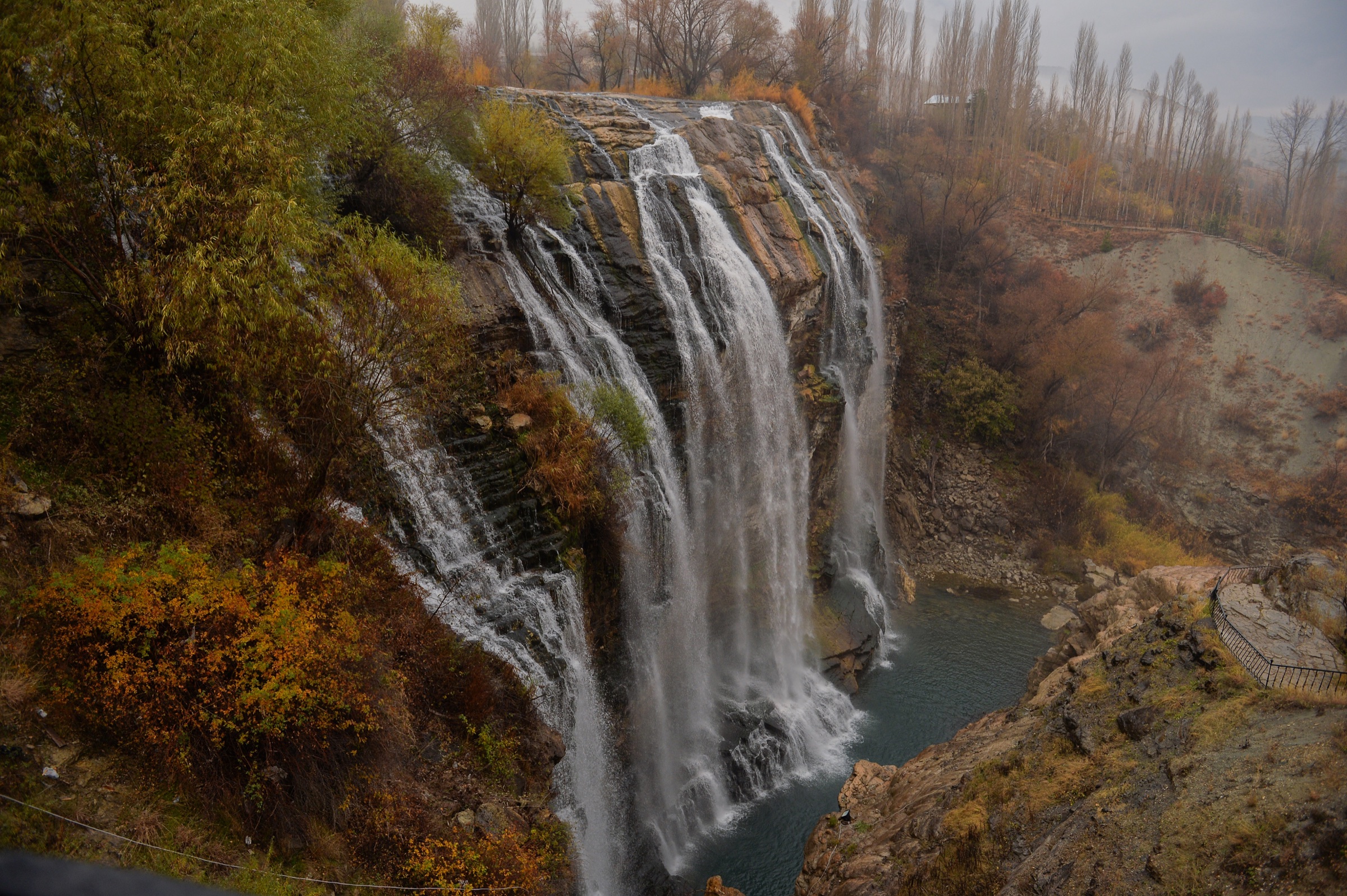
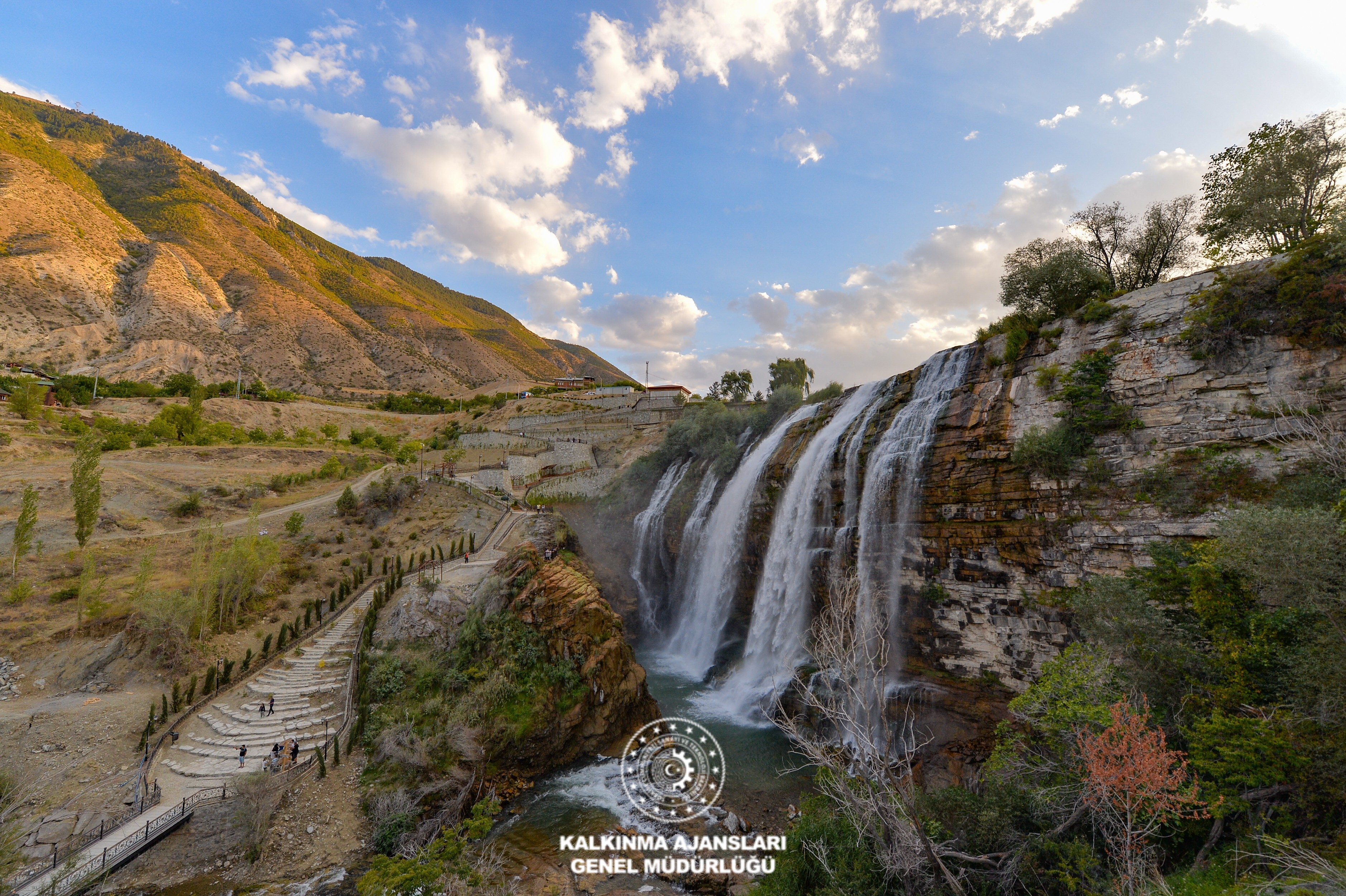
The lake's overflow spills over the landslide barrier into the Tev Valley as Tortum Şelalesi (Tortum Waterfall). According to the provincial directorate, it drops 48 metres and is 22 metres wide. Stairs on both sides let you climb to the top or descend to the pool at its foot. The falls are at their fullest in May and June, and the volume drops steadily after June.
According to GoTürkiye, Uzundere is Türkiye's 11th Cittaslow (slow city). If you have time, add the medieval churches of Öşvank (Çamlıyamaç) and Bağbaşı (Haho) nearby; GoTürkiye's official 48-hour Erzurum plan includes both on its Tortum day.
Day 2 alternative: Narman fairy chimneys
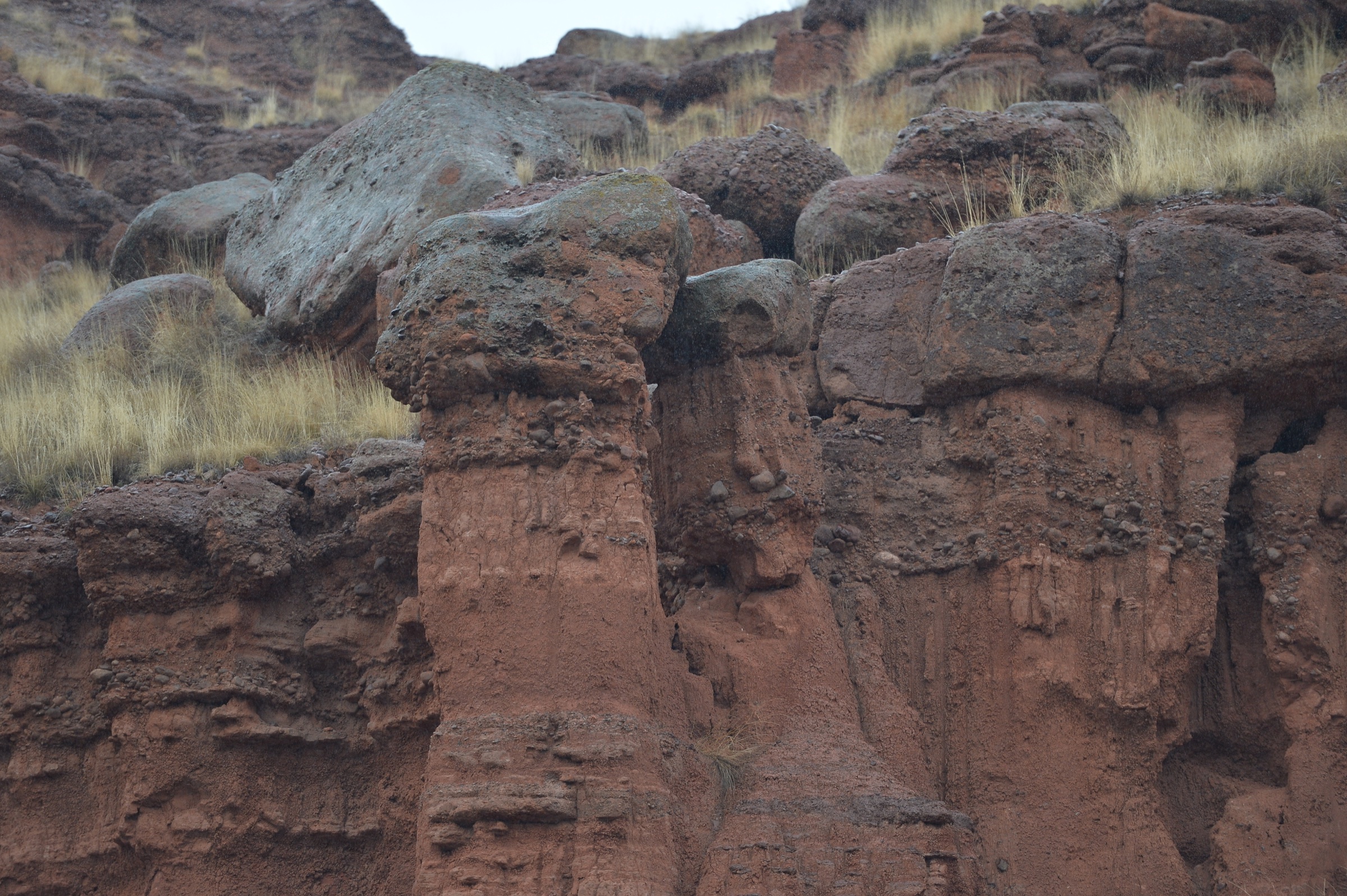
For a different landscape, head east to Narman instead. Narman Peribacaları (the Narman fairy chimneys) lie about 90 kilometres from Erzurum and about 7 kilometres from the town of Narman. According to the provincial directorate, these formations took shape 2.5 to 3 million years ago from sediments in a depositional basin and were sculpted by wind and water; their red tones come from minerals reacting with oxygen. Nicknamed "the Land of Red Fairies", the valley is likened in the official guide to the Grand Canyon.
GoTürkiye's 48-hour plan squeezes Tortum and Narman into the same day. The two areas lie in different directions from the city, so if you try it, start early. The whole Tortum–Uzundere–Narman circuit is covered in our Nature Route.
Day 3 (summer and autumn): The redoubts and Palandöken's high slopes
On day three, explore the 18th- and 19th-century defences around the city. GoTürkiye counts 23 tabya (redoubts) on the hills around Erzurum, the most important being Mecidiye and Aziziye.
Aziziye Tabyası (Aziziye Redoubt) stands east of the city at the southern tip of Top Dağı (Mount Top), at 2,068 metres. Built between 1867 and 1872 on the orders of Sultan Abdülaziz, it played a key role in the Russo-Turkish War of 1877–1878. In front of it stand the Aziziye Monument, erected in 1953, and the grave of Nene Hatun, a heroine of the 1877 battle for the redoubt.
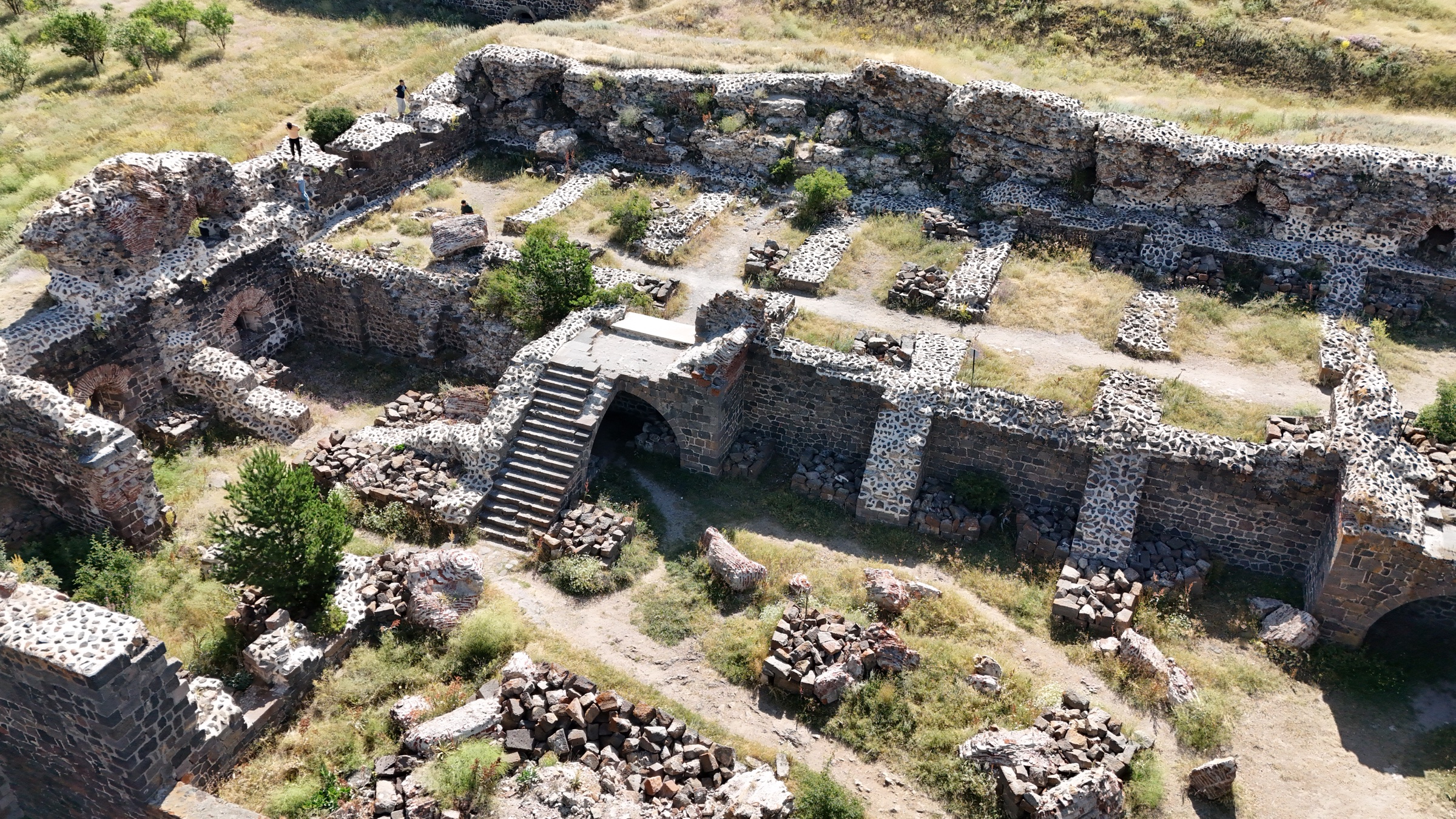
At the northern end of Mount Top, at 2,042 metres, Mecidiye Tabyası (Mecidiye Redoubt) was completed during the Crimean War and is considered the oldest redoubt in Erzurum.
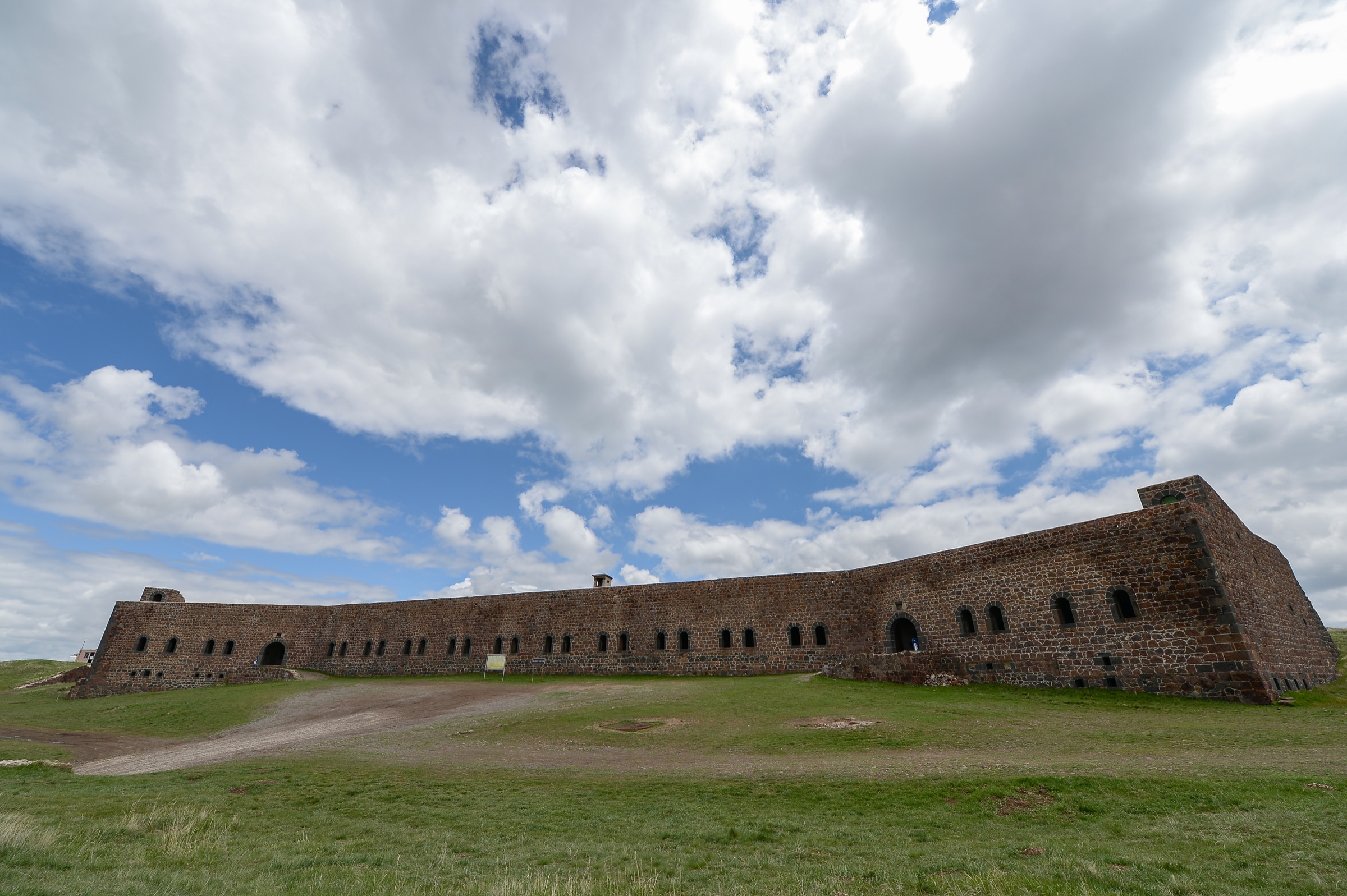
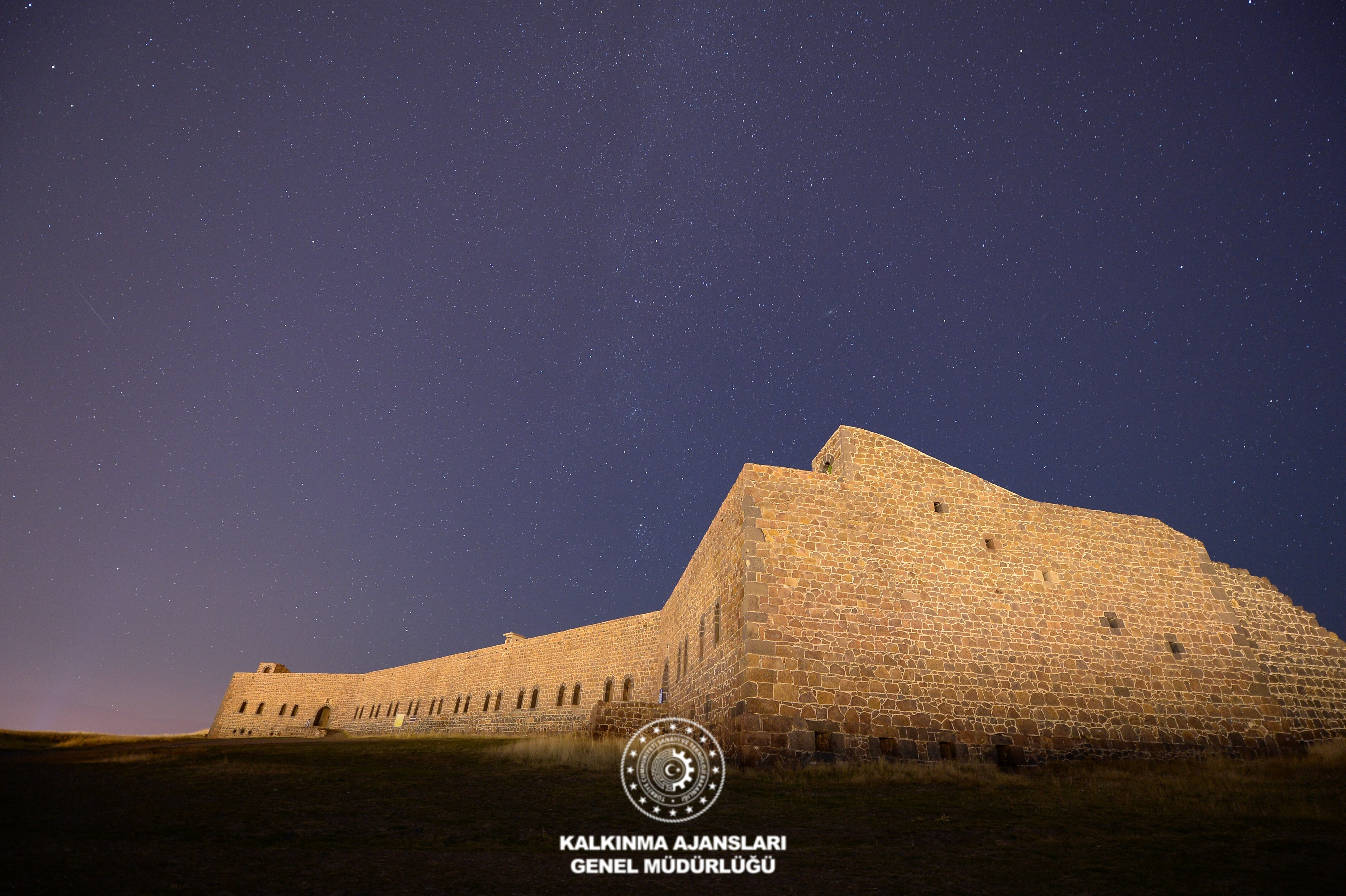
For a longer mountain outing, drive up Mount Palandöken. Büyük Palandöken Tabyası (the Great Palandöken Redoubt), on the Erzurum–Tekman road at about kilometre 20 and 2,850 metres above sea level, was built between 1888 and 1894 and is the largest redoubt in Erzurum. At that altitude the weather can be much cooler and more changeable than in the city, so bring warm layers. On the way back, stop at the Tomb of Abdurrahman Gazi, 2.5 kilometres south-east of the city, for a view over the city.
Day 3 (winter): Skiing at Palandöken
From December to April, spend day three at Palandöken Kayak Merkezi (Palandöken Ski Resort). Around 10 minutes from the city centre, it has 44 pistes totalling 51 kilometres according to the provincial directorate, and offers night skiing. Non-skiers can try snowshoe walks, sledging or snowmobile tours. Our Erzurum in Winter guide covers the season in detail.
Itinerary by season
- Late spring and early summer: day 1 the historic centre, day 2 Lake Tortum and the waterfall at its fullest in May and June, day 3 the redoubts.
- Summer and autumn: day 1 the historic centre, day 2 Tortum or Narman, day 3 the Aziziye and Mecidiye redoubts or the high redoubts on Palandöken.
- Winter: day 1 the historic centre, days 2 and 3 skiing at Palandöken or Konaklı; if roads allow, spend one day on the views over Lake Tortum.
Frequently Asked Questions
Are two days enough for Erzurum?
Two days are enough to see the historic centre and one nature trip outside the city. Spend the first day around the Double Minaret Madrasa, the Three Tombs and the Yakutiye Madrasa, and the second at Lake Tortum and Tortum Waterfall or the Narman fairy chimneys.
When is the best time to see Tortum Waterfall?
According to the Erzurum Provincial Directorate of Culture and Tourism, Tortum Waterfall is at its fullest in May and June, and its volume decreases steadily after June. The waterfall is in the Uzundere district and drops about 48 metres.
How far is Lake Tortum from Erzurum?
Lake Tortum is about 105 kilometres from Erzurum city centre and about 7 kilometres from the Uzundere district. The lake lies alongside the Erzurum–Artvin road.
How far are the Narman fairy chimneys from Erzurum?
The Narman fairy chimneys are about 90 kilometres from Erzurum and about 7 kilometres from the town of Narman. They are also known as "the Land of Red Fairies".
Which are Erzurum's best-known redoubts?
The most important redoubts around Erzurum are Aziziye and Mecidiye. Aziziye, at the southern tip of Mount Top, is linked to the Russo-Turkish War of 1877–1878 and Nene Hatun, while Mecidiye, at the northern end, is the oldest redoubt in Erzurum.
Opening days, seasons and transport can change. Please check official announcements before you travel.
More guides
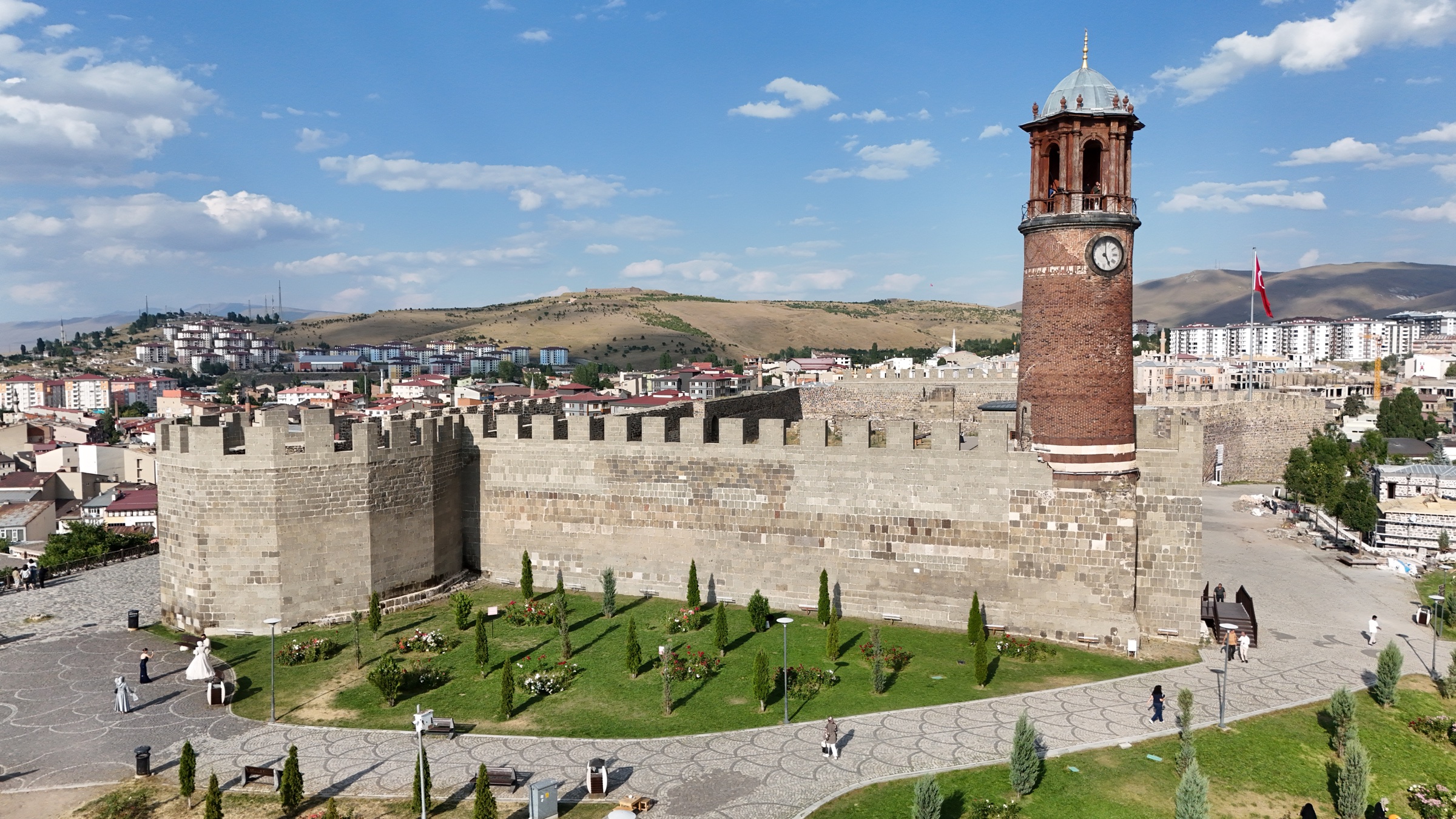 One Day in ErzurumOnly one day in Erzurum? A walkable route through the historic centre, from the castle and Clock Tower to the Double Minaret Madrasa and Yakutiye, with local food stops.
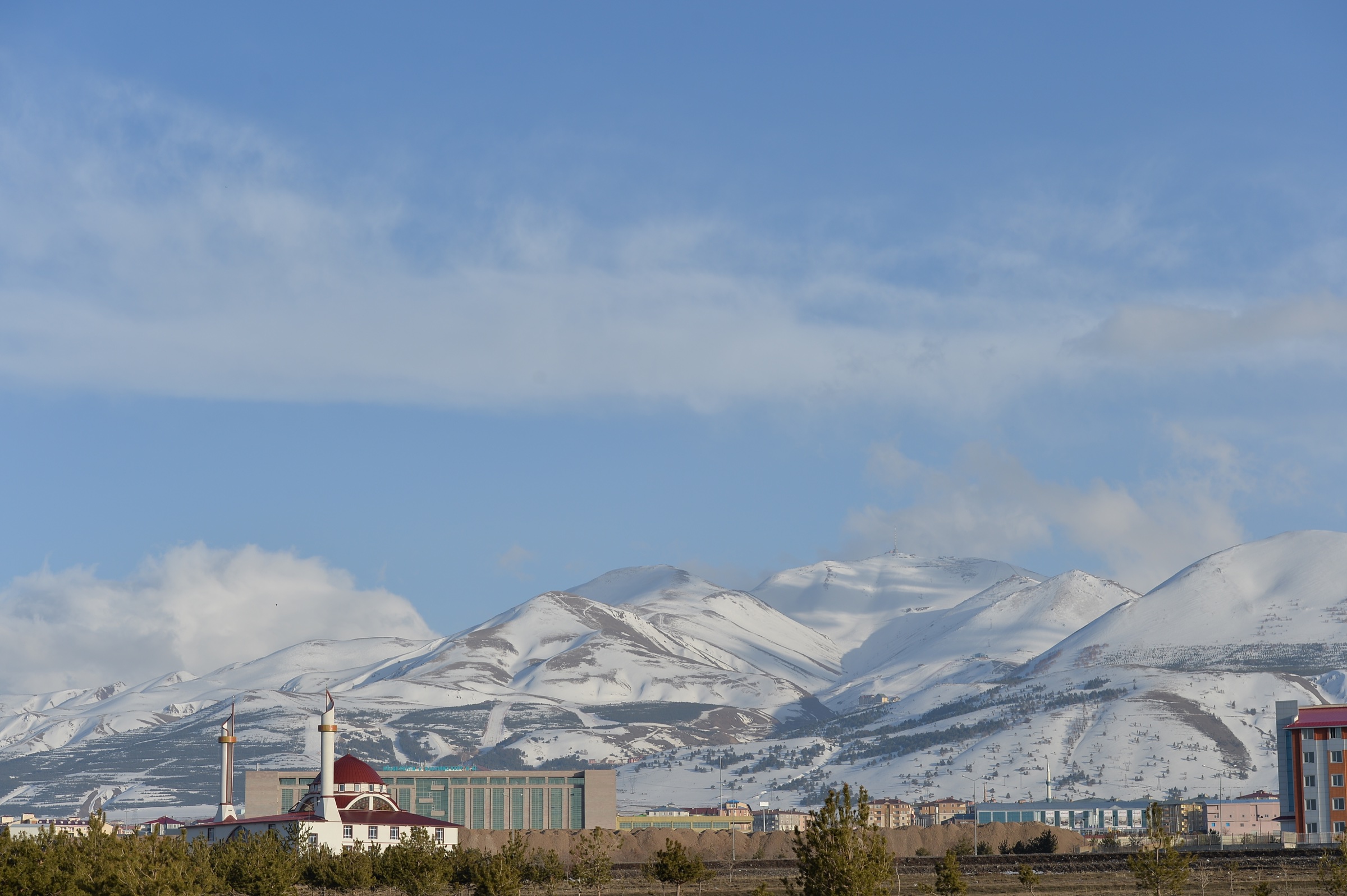 Erzurum in WinterErzurum in winter: the Palandöken, Konaklı and Kandilli ski areas, the ski jumps, the snowy old city, what to wear in the cold, getting around in snow and when the season runs.
 What to Eat in ErzurumWhat to eat in Erzurum: cağ kebabı, kadayıf dolması, su böreği, ayran aşı, kesme aşı, local cheeses and sweets, with what each dish is and how it is eaten.