


Erzurum in winter: the Palandöken, Konaklı and Kandilli ski areas, the ski jumps, the snowy old city, what to wear in the cold, getting around in snow and when the season runs.
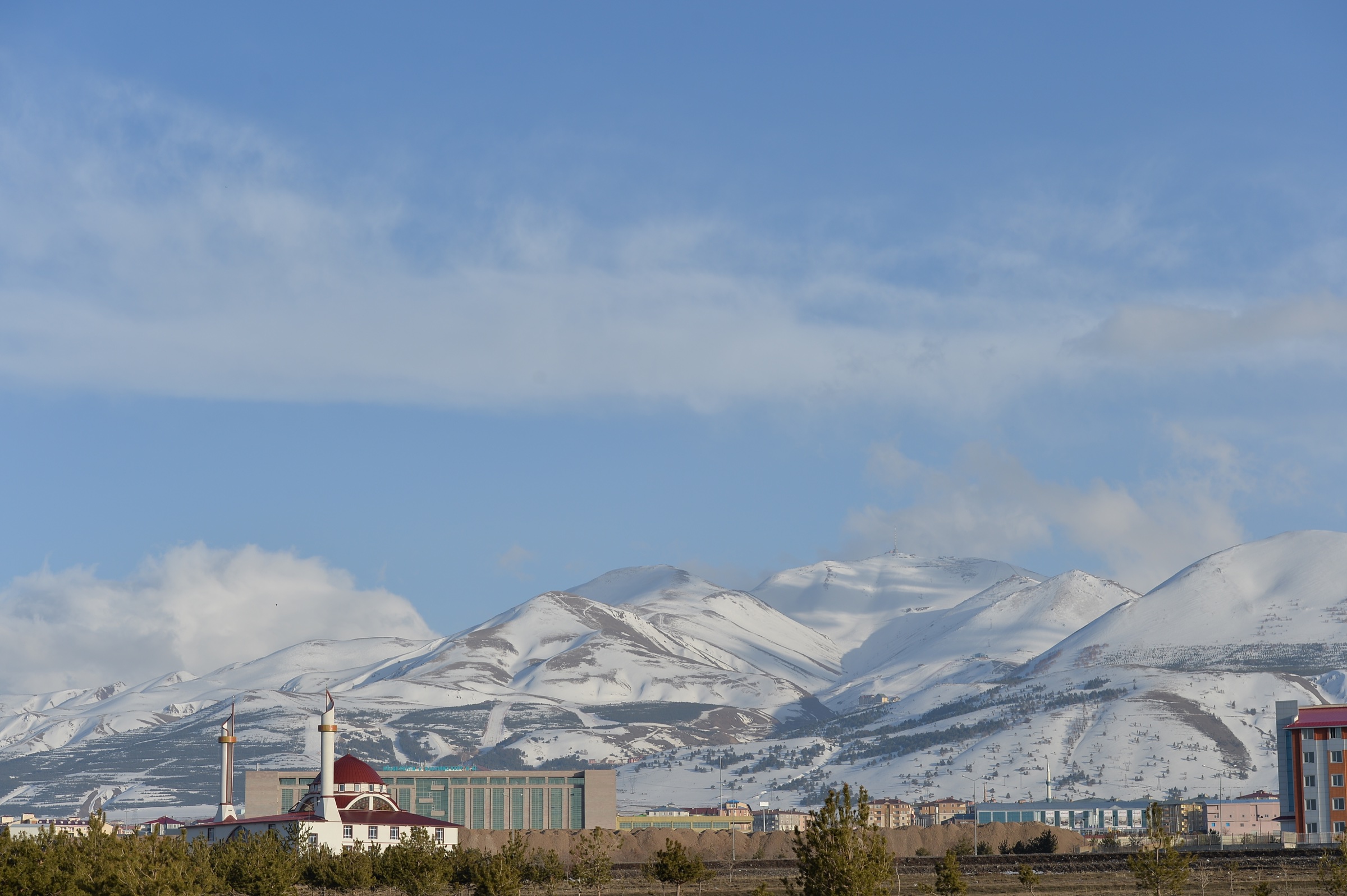
Few places in Türkiye say "winter" as clearly as Erzurum. The Provincial Directorate of Culture and Tourism describes the province as covered in snow for six months of the year and a leading destination for skiing and snowboarding. The slopes of Mount Palandöken start right on the edge of the city, so you can ski in the morning and walk among Seljuk madrasas in the afternoon.
This guide brings together the ski areas, the season, how to prepare for the cold, getting around in snow and what to do in the city. Season dates and event calendars depend on snow every year, so always check the latest announcements from the operator and official bodies before you travel.
When is the ski season?
A 2018 winter tourism report by the Northeast Anatolia Development Agency (KUDAKA) says Erzurum's ski season runs from mid-November to the end of April, more than 150 days in total and one of the longest in Türkiye. The same report notes that snow lies on the Palandöken range for an average of 150 days, rising to 175 days at the summit, and that the dry continental climate produces crystalline powder snow throughout the season.
Opening dates depend on snow and weather each year. For the 2026–2027 season, Palandöken announced a target opening date of 4 December 2026, weather and snow permitting. For Konaklı, the provincial directorate names January to March as the most popular period.
Palandöken Ski Resort
Palandöken is about 10 minutes from the city centre; the 2018 report puts it 4 kilometres from the city and 10 kilometres from the airport. The ski area spans roughly 2,200 to 3,176 metres. According to the provincial directorate, Palandöken has 44 pistes totalling 51 kilometres, and 40 of the 55 pistes at Palandöken and Konaklı combined are approved by the International Ski and Snowboard Federation (FIS). The Ejder and Kapıkaya runs are FIS-registered Olympic runs for slalom and giant slalom.
Floodlit pistes make night skiing possible. Besides alpine skiing and snowboarding, you can try paragliding, ice climbing, snowshoe hiking, snowmobile safaris and sledging. Palandöken was named 2025 European Capital of Winter Sports by ACES Europe. Since 2016, Palandöken and Konaklı have been operated under the Ejder 3200 brand.
Konaklı Ski Resort
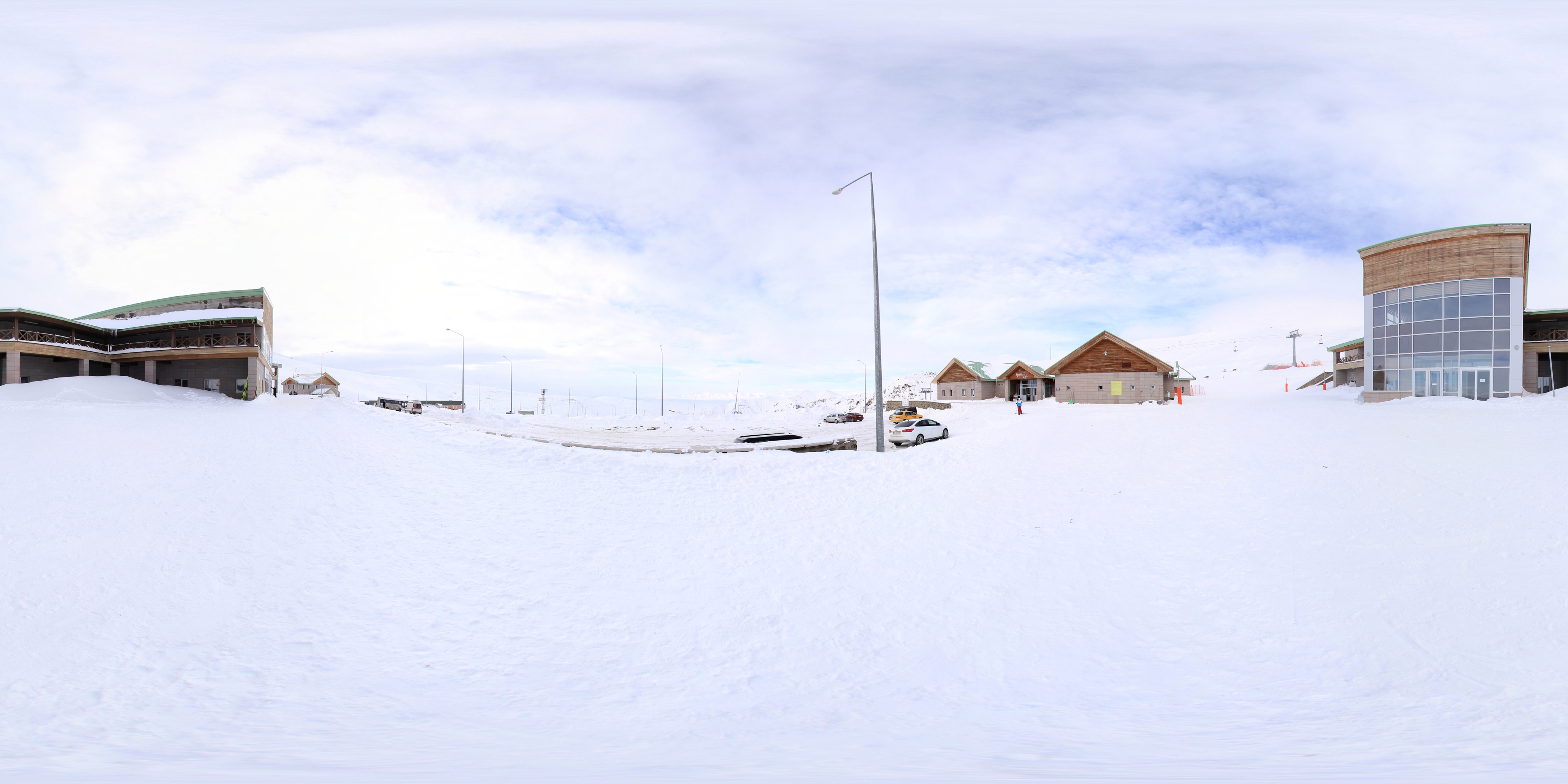
About 17 kilometres from the city centre, Konaklı was built for the 2011 Winter Universiade (World University Games) and hosted most of its alpine races. According to the provincial directorate, it has 11 pistes and 35 kilometres of ski terrain between 2,200 and 3,185 metres. The 2018 report highlights its almost Alpine topography on the northern slopes of Karakaya Tepesi, the second-highest peak of the Palandöken range. The same report says its varied gradients suit skiers of different levels, and its competition-standard pistes make it a favourite training ground for professional athletes.
Kandilli and cross-country skiing
Kandilli Kayak Merkezi (Kandilli Ski Centre) was built on 160 hectares about 36 kilometres from the city for the biathlon and cross-country events of the 2011 Universiade. Its trails lie between 1,713 and 1,767 metres, and the 2018 report lists loops of 2.5, 3.75 and 5 kilometres. It is Erzurum's option for cross-country rather than alpine skiing; it does not yet have its own page on this site.
The ski jumps
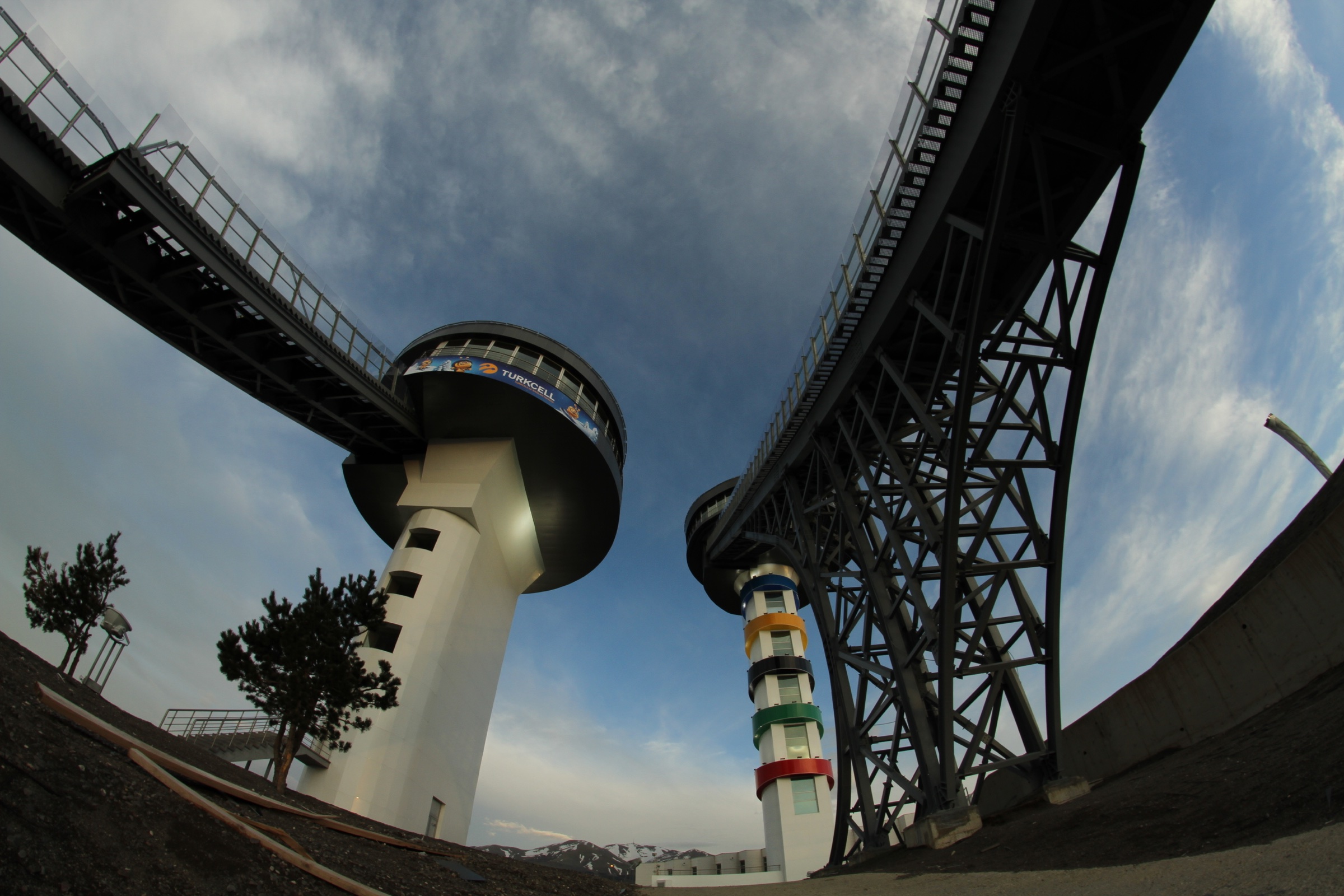
North of the Palandöken ski area, at Kiremitliktepe, stands Türkiye's first and only ski-jumping complex. Built for the 2011 Universiade, it has two jumping towers for K125 and K95 competitions plus training ramps. Renovation work replacing the concrete in-runs with wooden systems is under way; October 2026 reports said repairs on the smaller ramps were complete while work on the largest ramp was continuing. Check whether visits or competitions are possible before you go.
What to do in the city in winter
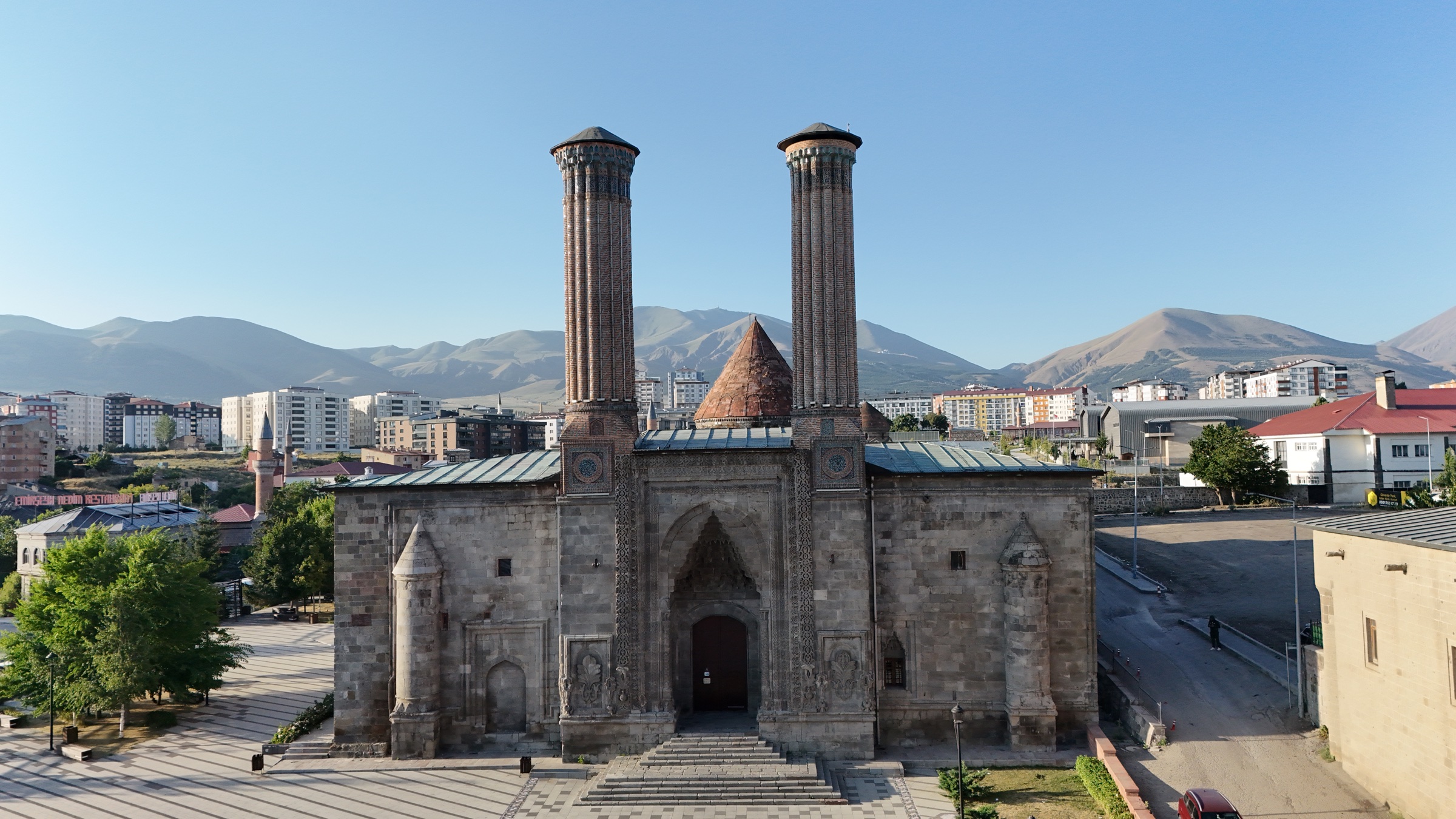
The snow-covered historic centre is well worth a winter walk. Çifte Minareli Medrese (the Double Minaret Madrasa), Ulu Cami (the Great Mosque), Üç Kümbetler (the Three Tombs) and the Yakutiye Madrasa are close together around Cumhuriyet Caddesi, and on very cold days you can break the walk with indoor stops such as Erzurum Museum and the Museum of Turkish and Islamic Arts and Ethnography inside the Yakutiye Madrasa.
The Ata Buz Müzesi (Ata Ice Museum) at Atatürk University is, according to the provincial directorate, the first and only ice museum in Türkiye, displaying sculptures carved from ice. The curling arena and the ice hockey and skating halls built for the Universiade are part of the city's winter-sports infrastructure; check the current calendar if you would like to watch a competition.
Winter menus centre on hot soups. Ayran aşı, made with meatballs, wheat, yoghurt and aşotu (coriander leaves), and kesme aşı, made with hand-cut noodles, green lentils and tarragon, are both registered Erzurum soups. Tel helvası, a threaded flour-and-syrup sweet traditionally made in winter using snow to cool it, and dut çullaması, dried mulberries cooked with butter and eggs, are classic winter desserts.
What to wear in the cold
Winters in Erzurum are seriously cold. Turkish State Meteorological Service data for 1929–2025 give a January average of -9.1°C and an average January low of -13.9°C, with record lows of around -37°C in December and February. It gets colder still as you climb the slopes.
- Dress in layers: a thin base layer, a warm mid layer and a wind- and waterproof outer shell.
- Bring a hat, neck warmer and waterproof gloves; fingertips and ears get cold first.
- Wear waterproof, ankle-high boots with good grip; pavements can be icy.
- Sun reflected off snow is strong at altitude, so use sunglasses or goggles and sunscreen.
- Wear a helmet when skiing, and learn the avalanche warnings and resort rules before going off-piste.
Getting around in snow
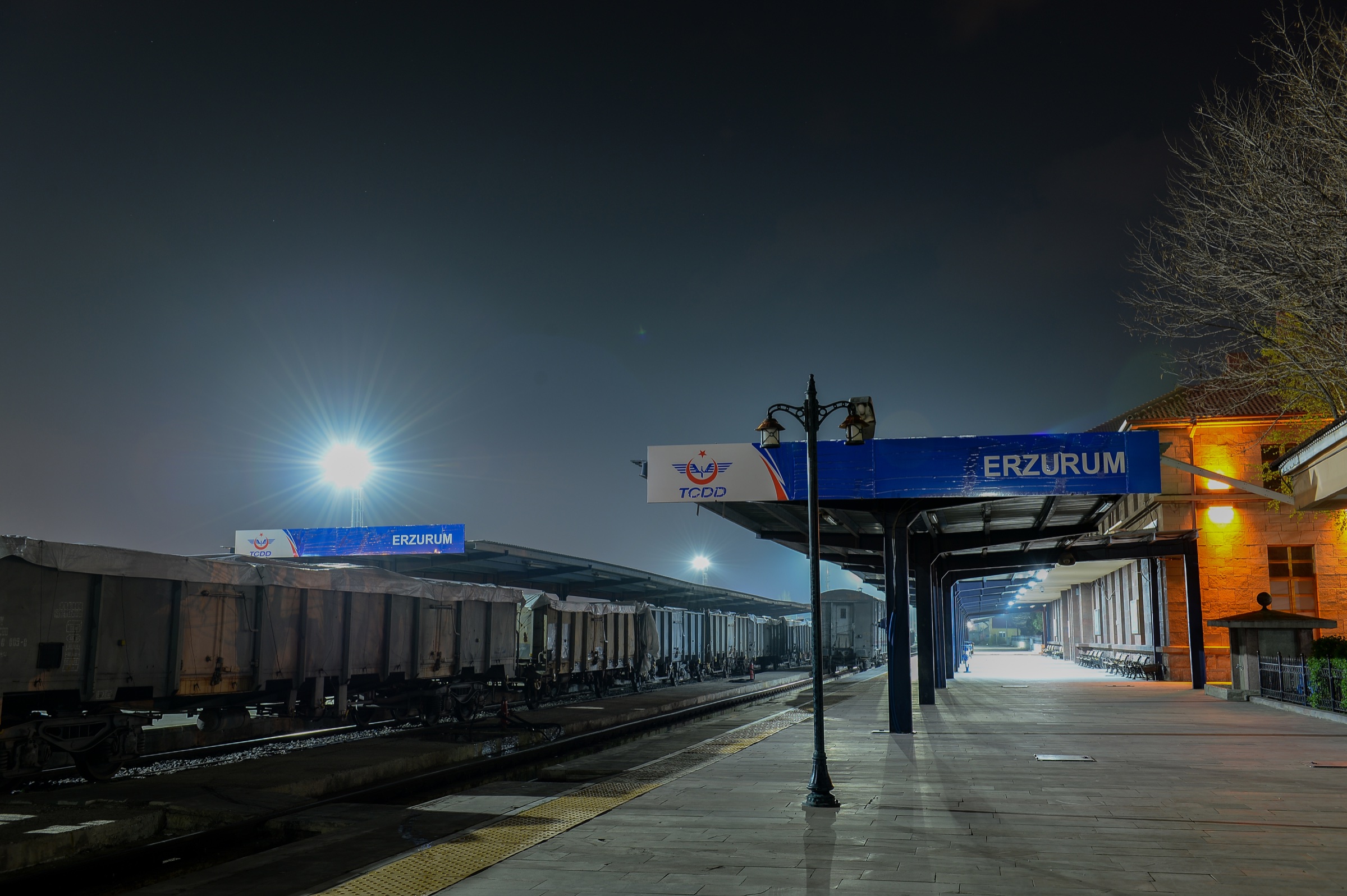
Erzurum Airport is close to the slopes; the 2018 report puts Palandöken 10 kilometres from the airport. If you prefer the train, the historic Erzurum Tren Garı (Erzurum Railway Station), opened in 1939, is one of the key stops of the Doğu Ekspresi (Eastern Express).
The short hop between the city and Palandöken is easy by taxi or car, while Konaklı and Kandilli need a car or a shuttle. Check Erzurum Metropolitan Municipality and the resort operator for current public transport and ski shuttles. If you drive, use winter tyres, carry chains and check current road conditions during heavy snow or blizzard warnings, especially before heading onto mountain roads towards Tortum and Artvin.
If you have a few days in the city as well as on the slopes, the History Route will guide you through the old town.
Frequently Asked Questions
When is the ski season in Erzurum?
According to a 2018 report by the Northeast Anatolia Development Agency, the ski season usually runs from mid-November to the end of April, more than 150 days in total. The opening date depends on snow and weather each year; for the 2026–2027 season, Palandöken announced a target opening date of 4 December 2026.
How far is Palandöken from Erzurum city centre?
Palandöken Ski Resort is about a 10-minute drive from Erzurum city centre. A 2018 development agency report puts it 4 kilometres from the city and 10 kilometres from the airport.
What is the difference between Palandöken and Konaklı?
Palandöken, about 10 minutes from the city, is the most developed resort, with 44 pistes and night skiing. Konaklı, about 17 kilometres from the city, was built for the alpine races of the 2011 Universiade and has 11 pistes reaching up to 3,185 metres.
How cold does Erzurum get in winter?
According to long-term data from the Turkish State Meteorological Service, January in Erzurum averages -9.1°C, with an average low of -13.9°C. Record lows are around -37°C.
What can you do in Erzurum in winter besides skiing?
You can walk the snowy historic centre to see the Double Minaret Madrasa, the Three Tombs and the Yakutiye Madrasa, and visit Erzurum Museum and the Ata Ice Museum at Atatürk University, Türkiye's only ice museum. Palandöken also offers snowshoe walks, sledging and snowmobile tours.
Opening days, seasons and transport can change. Please check official announcements before you travel.
More guides
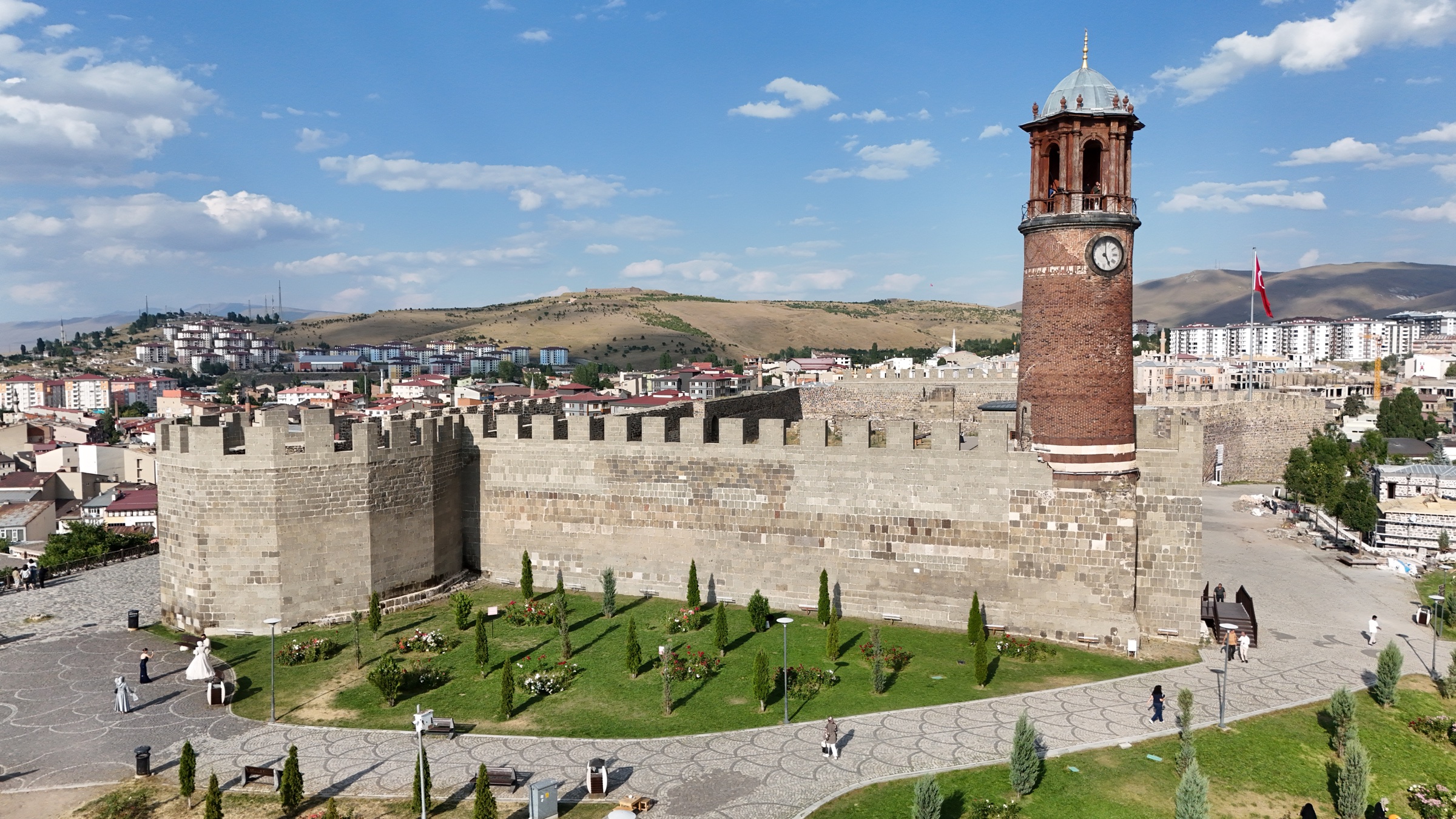 One Day in ErzurumOnly one day in Erzurum? A walkable route through the historic centre, from the castle and Clock Tower to the Double Minaret Madrasa and Yakutiye, with local food stops.
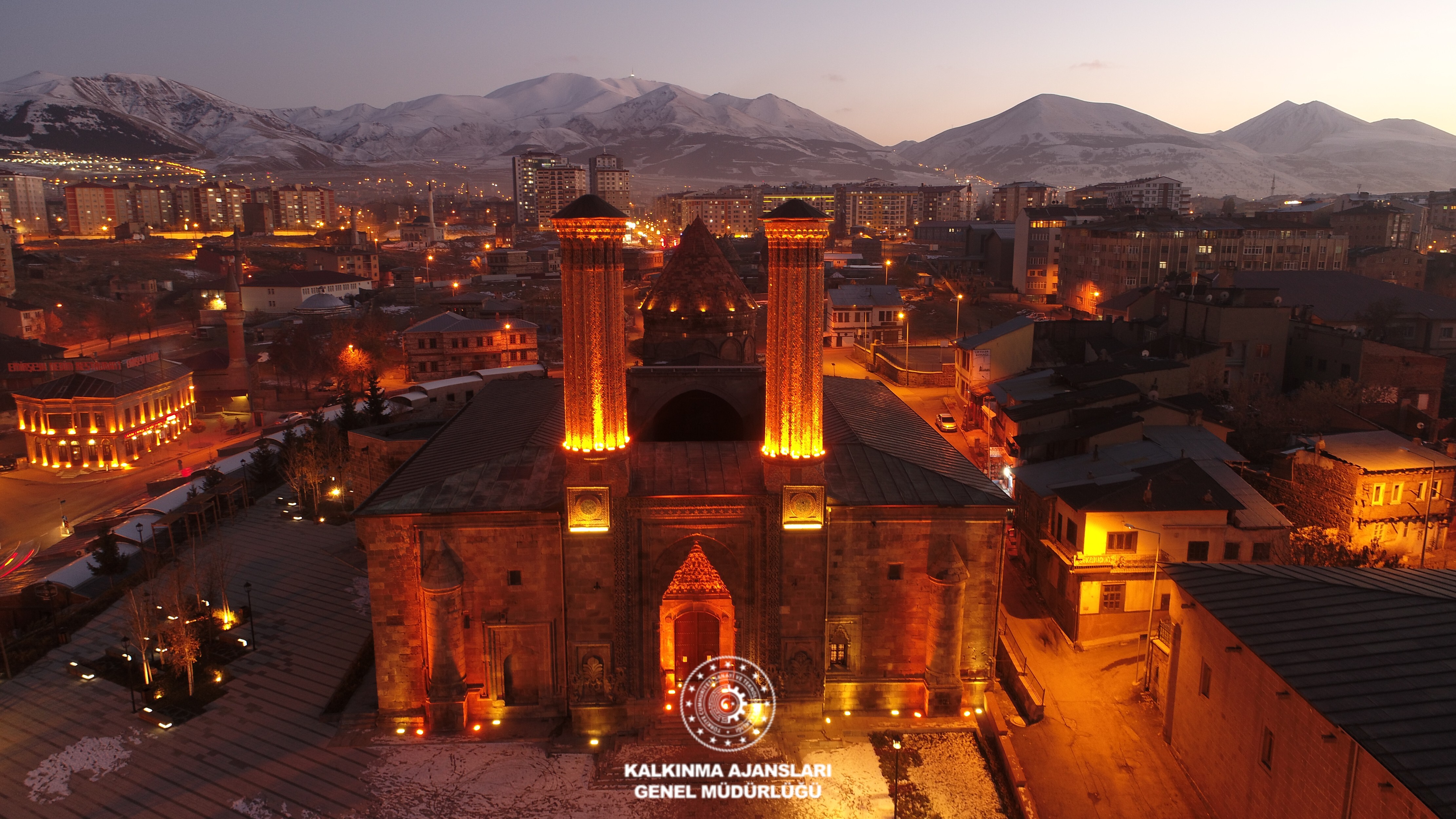 Erzurum in 2–3 DaysA season-by-season plan for 2–3 days in Erzurum: the historic centre, then Tortum Waterfall and Lake Tortum or the Narman fairy chimneys, then the redoubts or Palandöken.
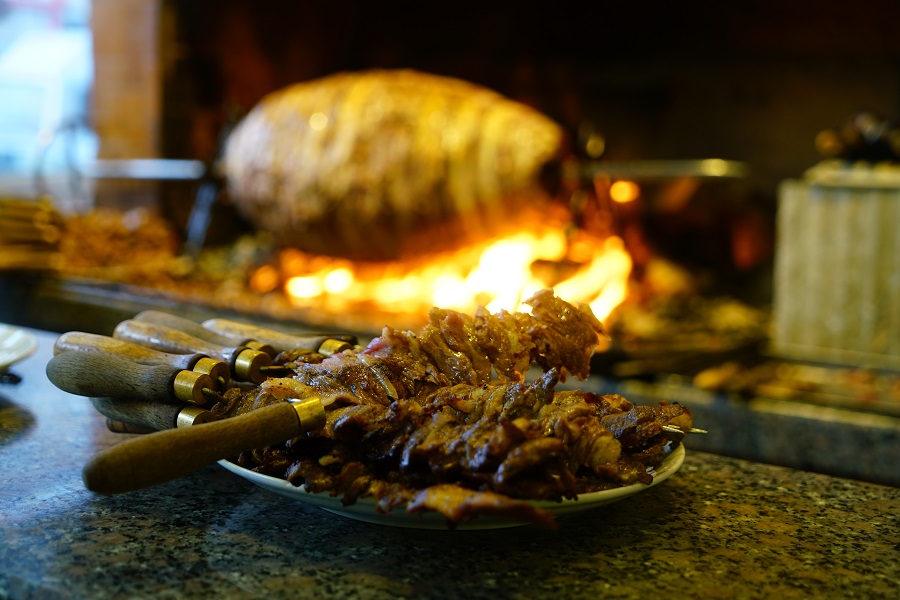 What to Eat in ErzurumWhat to eat in Erzurum: cağ kebabı, kadayıf dolması, su böreği, ayran aşı, kesme aşı, local cheeses and sweets, with what each dish is and how it is eaten.